
- A well-maintained rental attracts great tenants and keeps your property’s value high.
- Planning for maintenance saves you from expensive, last-minute repairs.
- Setting clear expectations with tenants helps keep your property in top shape.
- Bringing in the pros makes property upkeep easier and way less stressful.
Did you know that the condition of your rental property directly impacts its marketability and profitability? Tenants are attracted to well-cared-for properties because they offer comfort, safety, and reliability.
A clean, functional space with modern features reflects responsible management, making tenants feel more at home in their living space.
Well-maintained properties also reduce the risk of unexpected repairs, creating a positive environment that encourages long-term tenant satisfaction and retention.
But that’s not all! Regular maintenance prevents costly repairs, minimizing the risk of unexpected expenses and increasing your cash flow. Additionally, a well-maintained property is more likely to increase in value over time, allowing you to charge more competitive rates and build your equity.
Unfortunately, maintaining your rental property is a never-ending process. Between scheduled maintenance, tenant requests, and unexpected repairs, you’ll have little to no time left to do other things.
Luckily, we at Allegiant Property Service know how to streamline the maintenance process. Here are some simple tips for maintaining your property more effectively!
Get Professional Maintenance Help
1. Understand Your Maintenance Responsibilities
A proactive approach to your maintenance responsibilities will help you maintain tenant satisfaction, prevent expensive repairs, and protect your investment. Here are the key maintenance duties you’re responsible for as a landlord:

- Structural Integrity: You must ensure that the overall structure of the property, including walls, roofs, floors, and foundations are safe and secure.
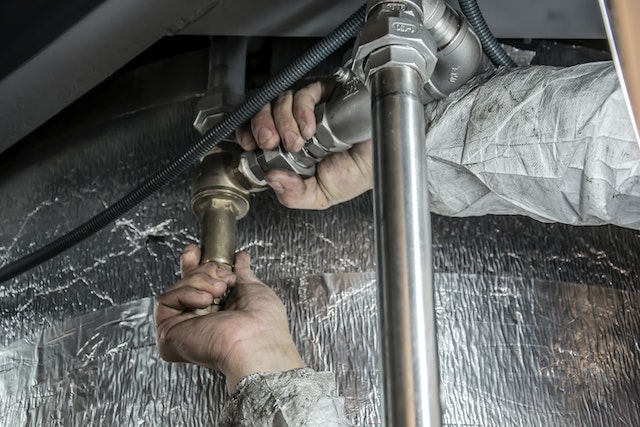
- Plumbing and Electrical Systems: You are responsible for ensuring that plumbing, electrical, and heating systems are in working order. This includes repairing any leaks, faulty wiring, or heating malfunctions promptly.
- HVAC Systems: Maintaining the HVAC system, including regular servicing of heating and air conditioning units, is essential to ensure the comfort of tenants.
- Pest Control: You must address any infestations of pests such as rodents, termites, or insects to ensure a healthy living environment for tenants.
- Safety Features: This includes maintaining smoke detectors, carbon monoxide detectors, and fire extinguishers, as well as ensuring no emergency exits are blocked, door and window locks work correctly, and that there’s good lighting in hallways and stairwells.
- Exterior Maintenance: Keeping the exterior in good condition, such as maintaining lawns, landscaping, and ensuring gutters are clear, will not only increase the appeal of your property but can also prevent major repairs.
- Appliance Maintenance: If appliances like refrigerators, ovens, or dishwashers are provided, then you are responsible for keeping them in good working order.
- Health and Safety Compliance: Your property must adhere to local building codes and safety regulations, which may include proper ventilation, adequate sanitation, and safe drinking water.
- Responding to Emergencies: You are required to handle emergency repairs, such as plumbing leaks or heating system failures, in a timely manner.
2. Plan for Maintenance
Staying on top of your maintenance responsibilities requires strategic planning. A maintenance schedule will help you ensure that all the necessary tasks are completed throughout the year.
Your maintenance schedule should include duties such as HVAC servicing, cleaning gutters, inspecting roofs, testing smoke and carbon monoxide detectors, pest control, appliance maintenance, plumbing checks, lawn care, and exterior upkeep.
It should also include seasonal tasks like weatherproofing, inspecting windows and doors for leaks, and addressing wear and tear to ensure the property remains safe and appealing. Additionally, it’s important to budget for these maintenance tasks.
Property maintenance is costly due to the cost of labor, materials, and recurring expenses for repairs, replacements, and upkeep. Saving up a percentage of your earnings will allow you to properly care for your property without having to worry about unexpected expenses.
3. Educate Tenants
Keeping a rental property in good condition is a shared responsibility between landlords and tenants. However, if tenants don’t know what their maintenance responsibilities are, they won’t be of much help.
That’s why it’s important to communicate maintenance obligations with tenants early on. A great way to do this is by outlining tenants’ upkeep duties on your lease. These can include tasks such as the following:
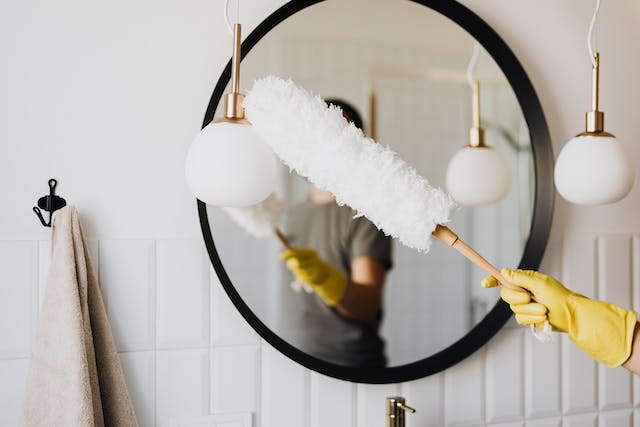
- Keeping the property clean.
- Disposing of trash properly.
- Changing lightbulbs.
- Replacing smoke detector batteries.
- Unclogging minor drains.
- Maintaining the yard, if specified in the lease.
- Notifying landlords promptly of necessary repairs.
- Using appliances correctly to prevent damage.
- Avoiding overloading plumbing or electrical systems.
- Ensuring proper ventilation to prevent mold.
Additionally, tenants must know who to contact and how to act in case of a maintenance emergency. So, make sure that your tenants have the contact information for property managers, agents, and trusted contractors so that they can reach them during an emergency.
4. Encourage Tenant to Maintain Your Property
Unfortunately, not all tenants will care for your property as if it were their own. Here are some things you can do to ensure tenants maintain your property:
- Property Inspections: By inspecting your property regularly, you’ll be able to tell whether tenants are fulfilling their maintenance duties. Moreover, you’ll be able to spot maintenance issues before they escalate.
- Security Deposit Deductions: Be clear about what constitutes a deduction, such as damages beyond wear and tear, missing or broken appliances, leaving trash on the property, or pest infestations. Knowing that their money is on the line, tenants will be more likely to maintain your property.
- End-of-Tenancy Cleaning: You can request tenants to deep clean the property before moving out. However, you must be very clear about your cleanliness expectations and ensure it’s all in writing to hold tenants accountable.
5. Partner with Professionals
Hiring property management professionals ensures that repairs and major maintenance tasks are completed safely, efficiently, and promptly. Experts provide quality workmanship, reducing the risk of recurring issues and costly mistakes.
Additionally, professional work ensures compliance with local regulations, minimizing legal risks. On top of that, partnering with a property manager can save you a lot of time and effort.
They can coordinate repairs, hire reliable contractors, and oversee maintenance tasks to ensure high-quality work. Overall, they can streamline the maintenance process, keeping your properties in excellent condition and your tenants happy.
Bottom Line
A well-maintained rental property is more successful. Consistent upkeep boosts tenant satisfaction and maximizes the property’s overall return on investment.
By creating a maintenance checklist, budgeting for maintenance expenses, educating tenants about their upkeep responsibilities, and partnering with the right contractors, you’ll be able to maintain your rental property more efficiently.
If you’re looking for someone to take over the maintenance responsibilities of your rental, contact Allegiant Property Service! We’ll be happy to help you!
