
- How Rental Scams Work and How to Prevent Them
- 1. Scammers Copy Your Property Listing
- 2. Fake Landlords Demand Deposits From Renters
- 3. Victims Discover the Deception
- Tips to Help Tenants Avoid Rental Scams
- Things to Watch Out for When It Comes to Rental Fraud
- Landlord Strategies to Safeguard Listings
- Bottom Line
- Staying informed about rental scams helps protect your property and your reputation.
- Adding watermarks and custom descriptions makes your listings easier to verify and harder to misuse.
- Regularly checking your listings online goes a long way to help you spot and address any issues early on.
- Clear communication with tenants builds trust and helps prevent confusion during the rental process.
Have you ever discovered that your property listing was copied and used by someone else online? If not, you’re fortunate ― but it could happen to anyone. Rental scams are becoming more common, and they don’t just affect tenants.
Rental scams can damage your reputation, cost you time, and delay legitimate lease agreements. Scammers can clone your property photos and details, pose as you or your representative, and con unsuspecting renters into sending them deposits.
This not only confuses potential tenants, but can also affect your ability to fill vacancies and maintain trust.
You've come to the right place if you're looking for strategies to protect yourself from rental scams. Allegiant Property Service has put together this article to help landlords recognize and avoid rental scams before they lead to costly problems. Let’s dive in.
Have questions about recognizing and avoiding rental scams? Our team is here to help.
How Rental Scams Work and How to Prevent Them
1. Scammers Copy Your Property Listing
One of the most common tactics used by scammers is copying legitimate property listings. They take the text, photos, and even contact information to create a fake ad that looks almost identical to yours.
In many cases, they may post it to other websites or online forums at a lower price to attract quick responses. As a landlord, you may be unaware that this is happening.
Someone may copy your listing and present themselves as the property owner or manager, using a different email or phone number to speak with prospective tenants. While your original listing remains active, fake negotiations and unofficial deals may be taking place in the background.
2. Fake Landlords Demand Deposits From Renters
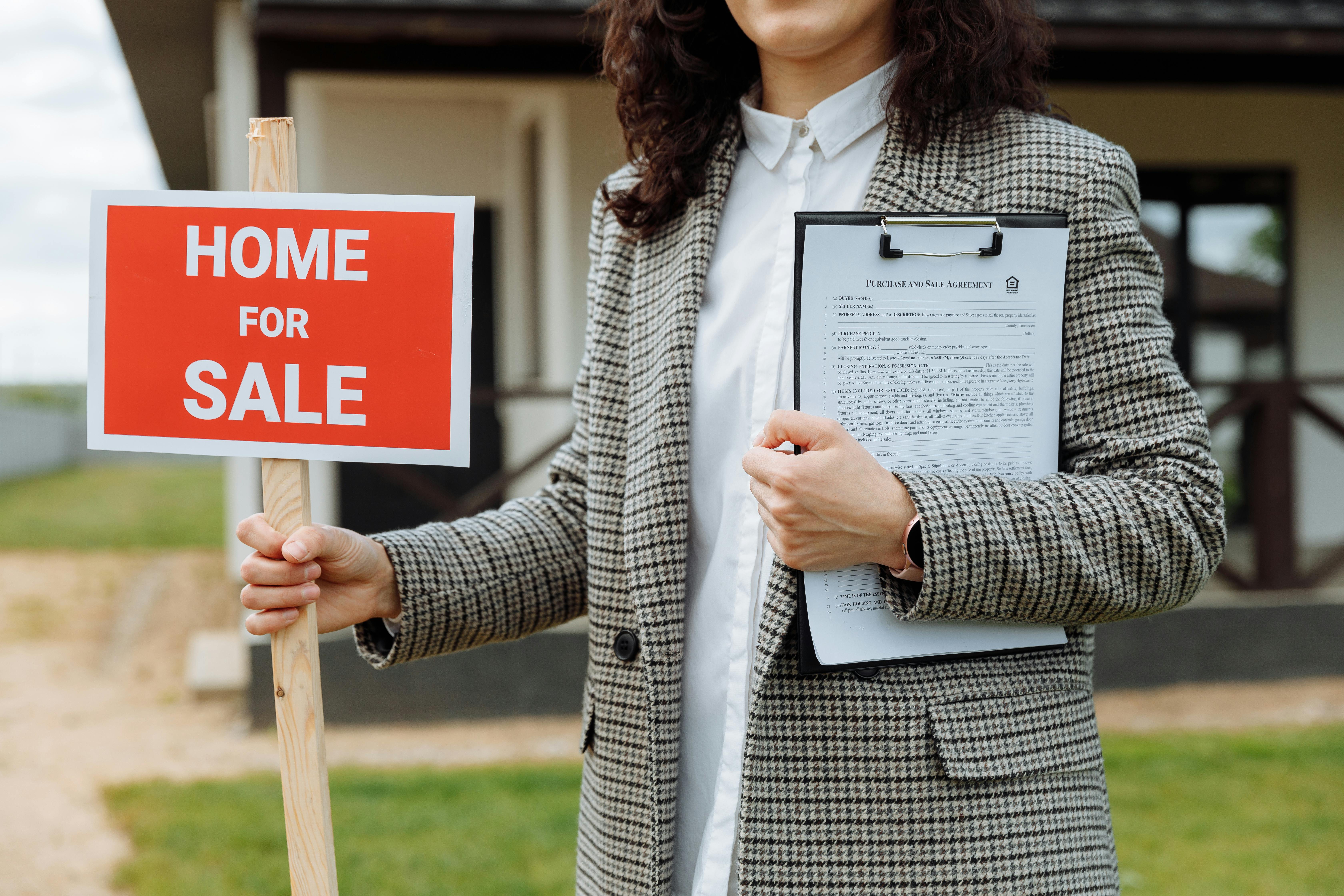
Once scammers find interested tenants, they typically ask for money upfront. They might claim there is a high demand for the unit and ask for a security deposit, application fee, or even the first month’s rent to "hold" the property.
They often create urgency to pressure renters into sending money without visiting the property.
The scammers may also come up with excuses about why the property can’t be shown right away. For example, they may say they are out of town or dealing with an emergency. Some even send fake lease agreements to make the transaction look real.
3. Victims Discover the Deception
Eventually, the victim realizes they’ve been tricked. They show up at the property only to find out someone else lives there or that it’s still available through a different source.
By this time, the scammer has disappeared with the money.
When this happens, landlords may get blamed or dragged into disputes they had nothing to do with. Even if you're not at fault, it can harm your credibility and cause confusion with legitimate applicants.
Tips to Help Tenants Avoid Rental Scams
While your main job isn’t to protect tenants from scams, offering helpful tips shows you’re professional and builds trust. Consider including the following reminders in your listing or during the rental process:
- Always meet in person before signing a lease or paying a deposit.
- Do not send money until having verified ownership or meeting a licensed agent.
- Watch out for prices that are significantly below market value.
- Be cautious if someone says they can’t show the property.
Being proactive and transparent with your communication can help renters feel more confident and make it harder for scammers to take advantage.

Things to Watch Out for When It Comes to Rental Fraud
As a landlord, there are several signs that your listing may have been used in a scam. Things to watch out for include:
- You receive messages from renters asking about listings you did not post
- A tenant shows up asking about a lease they supposedly signed with someone else
- Your listing is found on unfamiliar websites with a lower price or different contact information
- You get strange inquiries referencing details that are not in your original ad
These signs usually mean that someone has taken your information and is pretending to be you. Staying alert and monitoring your online presence is one of the best ways to catch this early.
Landlord Strategies to Safeguard Listings
To protect your property and your reputation, it’s important to take a few simple but effective steps. Below are strategies that can help you stay ahead of rental scammers:
- Watermark your photos before uploading them online
- Avoid sharing overly detailed interior photos that make the listing easy to copy
- Include your company name or contact details in the image or listing in a way that’s hard to remove
- Use unique listing descriptions rather than standard templates
- Periodically search for your property online to check for duplicates
- Encourage tenants to contact you directly using the official phone number or website

Bottom Line
Rental scams can affect everyone involved — from potential tenants to landlords. When scammers copy listings and pose as owners, it creates confusion, delays real leases, and damages trust.
By staying proactive, using tools like watermarks, and keeping communication open, you can help protect your property and build strong, clear relationships with tenants.
At Allegiant Property Service, we understand how important it is to keep your properties secure and your listings trustworthy. Our team actively monitors for suspicious activity, provides watermarking and verification tools, and helps you stay one step ahead of scammers.
We also guide your tenants to avoid common traps and maintain open communication throughout the leasing process.
If you're a landlord looking to protect your properties and prevent scams, reach out to Allegiant Property Service today. Let us help you keep your rentals safe and your tenants informed.
