- The Risk of Allowing Tenants to Paint Your Rental Property
- Safety Considerations
- Choosing the Right Paint and Techniques
- Achieving a Quality Finish
- Color and Space Harmony
- Protecting the Property
- The Benefits of Allowing Tenants to Paint Your Rental Property
- A Better Tenant Experience
- Long-Term Retention
- Stronger Landlord-Tenant Relationships
- Greater Care for the Property
- Increased Appeal in a Competitive Market
- Fewer Cosmetic Fixes
- Potential Cost Savings
- How to Protect Your Property When Allowing Tenants to Paint It
- 1. Include Clear Painting Policies in Your Lease
- 2. Require Written Permission Before Painting
- 3. Inspect the Property Before and After Painting
- 4. Set Clear Restoration Expectations
- 5. Offer Professional Painting as an Option
- 6. Consider Charging a Paint Deposit
- 7. Document Everything
- Bottom Line
- Allowing tenants to paint their rental can boost satisfaction, strengthen relationships, and encourage lease renewals.
- A clear set of painting guidelines helps maintain the condition of your property while giving tenants flexibility.
- Offering professional painting options or charging a paint deposit can help ensure a quality result.
- Simple steps like written permission, inspections, and documentation help keep the process smooth for both you and your tenants.
Happy tenants make great tenants. When renters feel valued, respected, and comfortable in their homes, they’re more likely to pay rent on time, take care of the property, and renew their lease.
Maintaining tenant satisfaction helps reduce turnover, minimize vacancies, and build positive landlord-tenant relationships. Investing in your tenants’ experience isn’t just good practice, it’s a smart, long-term strategy for stable rental income and a well-maintained property.
One simple thing you can do to keep tenants happy is to allow them to paint your rental property. Giving tenants the freedom to personalize their space helps them feel more at home. However, you must ensure that you set clear guidelines to prevent accidents and protect your property’s condition.
If you’re unsure whether this is the right call, then keep reading! In this article, the team at Allegiant Property Service will go over the pros and cons of allowing tenants to paint your rental property. Let’s dive in!
Have questions about managing painting permissions or tenant customization? Our team is here to help.
The Risk of Allowing Tenants to Paint Your Rental Property
Allowing tenants to personalize their space with a new coat of paint can make them feel more at home. However, it’s a good idea to provide some clear guidelines to ensure the project goes smoothly.
Without a little direction, even the most well-intentioned paint job can create extra work down the road. Here are a few things to keep in mind if tenants are picking up a paintbrush:
Safety Considerations
- Paint can sometimes cover outlets or light switches, so it’s helpful to remind tenants to leave these areas clear.
- Hinges and door hardware work best when left unpainted to maintain their smooth operation.
- If there’s any existing mold or mildew, it’s important to address it first rather than painting over it.
Choosing the Right Paint and Techniques
- Using the right type of paint for each room ensures it wears well over time; for example, moisture-resistant paint works well in bathrooms.
- Primer can help achieve an even finish and consistent color.
- Paints with lighter scents can help keep the space fresh and welcoming.
Achieving a Quality Finish
- Prepping walls by cleaning and smoothing surfaces helps paint adhere properly and creates a polished look.
- Taping off trim and ceilings helps maintain clean lines.
- Even coats and the right brush techniques can help prevent streaks and marks.
Color and Space Harmony
- Choosing colors that align with the overall style of the property makes future turnovers easier.
- It’s helpful to clarify which areas can be painted; cabinets, appliances, or shared spaces are often better left as they are for consistency.
Protecting the Property
- Encouraging the use of drop cloths and careful painting techniques helps protect floors, baseboards, and fixtures.

The Benefits of Allowing Tenants to Paint Your Rental Property
Giving tenants the freedom to paint their rental unit might seem like a big decision, but it can come with plenty of upsides. With a bit of communication and clear guidelines, it can benefit both you and your tenants.
Here are a few reasons why it’s worth considering:
A Better Tenant Experience
Letting tenants personalize their space can go a long way toward making them feel at home. When someone feels comfortable in their surroundings, they’re more likely to enjoy their time in the unit and take better care of it.
Long-Term Retention
Tenants who are given a little flexibility often stay longer. When renters feel that their home reflects their style, they’re more inclined to renew their lease, which can help minimize turnover.
Stronger Landlord-Tenant Relationships
Allowing this kind of customization can show tenants that you respect their preferences and trust their judgment. That kind of goodwill often leads to better communication and more positive interactions.
Greater Care for the Property
When tenants have a hand in personalizing their space, they often take more pride in keeping it clean and well-maintained. It becomes more than just a place to live, it feels like home.
Increased Appeal in a Competitive Market
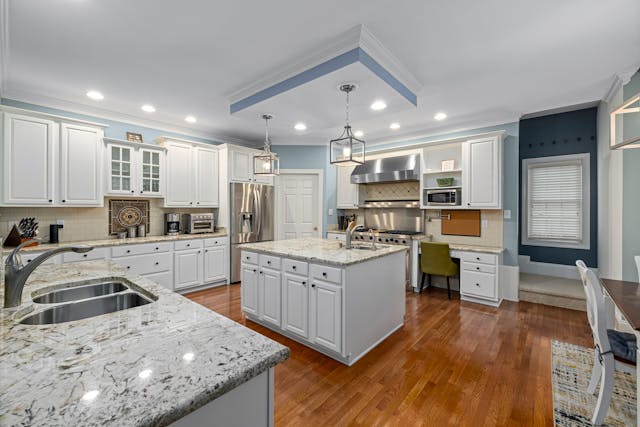
Offering some flexibility in how a unit can be styled might help your property stand out to potential renters. A fresh coat of paint can also refresh the space, making it look more modern and inviting.
Fewer Cosmetic Fixes
When tenants are allowed to paint, they’re less likely to use temporary decorating solutions that could leave marks or wear on walls. This can help preserve the overall condition of the space.
Potential Cost Savings
If the tenant does a solid job with the painting, you may not need to repaint the unit before the next lease starts. That can save time and money while still keeping the unit looking fresh.
How to Protect Your Property When Allowing Tenants to Paint It
There are plenty of things that could go wrong when letting tenants paint your rental unit. To prevent misunderstandings and maintain the condition of your rental, you must set clear guidelines. Here are some tips to help you:
1. Include Clear Painting Policies in Your Lease
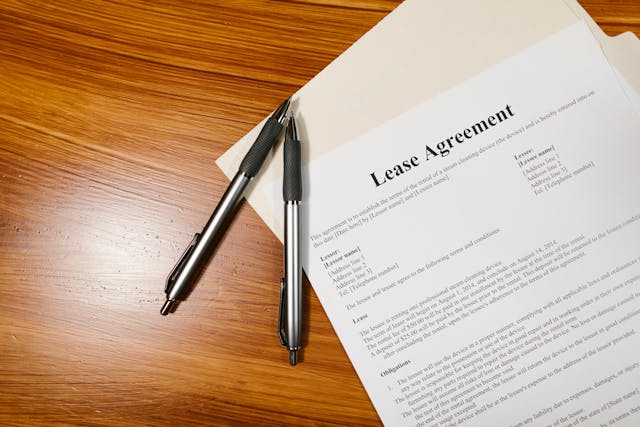
Without clear guidelines in place, it’s easier for misunderstandings and accidents to happen. To prevent this, make sure to include clear painting policies in your lease.
Clarify whether tenants are allowed to paint, which rooms or areas they can modify, what types of paint are acceptable, and whether they must return the unit to its original color before moving out. The more thorough you are, the fewer surprises or misunderstandings you’ll get.
2. Require Written Permission Before Painting
Even if you allow customizing, you should have tenants request permission in writing. This will allow you to approve or deny the color choices, the rooms to paint, and other important details. Moreover, it can help you prevent misunderstandings and address concerns early on.
3. Inspect the Property Before and After Painting
Schedule a thorough inspection before the tenant begins painting to assess wall conditions and note any existing damage.
Conduct another inspection after the job is done to ensure proper application and to identify any issues that may need fixing later. By spotting and addressing issues early on, it’ll be easier to maintain the condition and appeal of your property.
4. Set Clear Restoration Expectations
Paint jobs can be easily reversed. If tenants choose unsuitable colors or the finished product is not up to your standards, you can always have them restore the walls to their original color before moving out.
To prevent disputes and misunderstandings, make sure to clearly state restoration expectations in the lease.
5. Offer Professional Painting as an Option
Pretty much all tenants would jump at the opportunity to customize their rental. However, not all of them are willing to put in the work.
As a landlord, you can offer them the choice of hiring a professional painter from a pre-approved list. This way, tenants can personalize their space, and you can ensure the quality of the work.
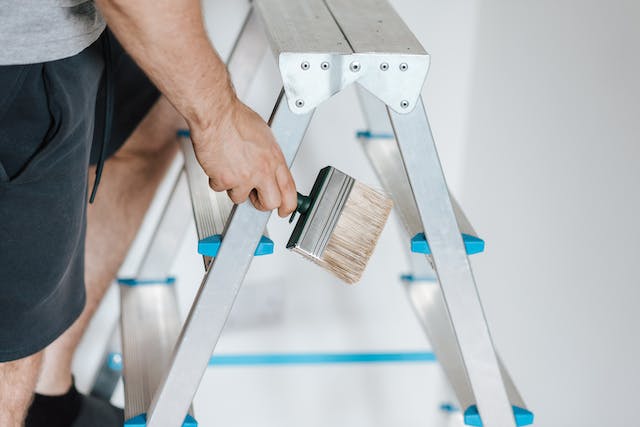
6. Consider Charging a Paint Deposit
Even with a restoration clause in the lease, tenants may not fully restore the walls of your property to their original condition. Charging a refundable “paint deposit” can help with this.
On one hand, tenants will strive to do a good job to get their money back. On the other hand, if they don’t meet your expectations and you need to repaint, you can use the deposit to cover the costs of restoration.
7. Document Everything
Experienced landlords know that documentation is key. Make sure to keep written records of all approvals, color choices, and tenant agreements regarding painting. This will not only help you prevent misunderstandings but can also protect you legally if disputes ever arise.
Bottom Line
Keeping tenants happy is the key to a stable and profitable rental property. When tenants feel comfortable in their space, they’re more likely to pay rent on time, take good care of the property, and renew their leases.
Believe it or not, something as simple as allowing tenants to paint the unit can go a long way in improving satisfaction and retention. However, it’s important to take some precautions to protect the value of your investment, like setting clear guidelines, charging a deposit, and conducting thorough inspections.
Need someone to oversee the painting process in your Fort Collins rental? Contact Allegiant Property Service today!
